English
 Türkçe
 Русский
 Español
 Deutsch
 한국어
한국어
 中文
中文
 Български
 Ελληνικά
 Italiano
 العربية
What are the endemic plant and animal/fauna and flora examples seen along the Lycian Way?

What are the endemic plant and animal/fauna and flora examples seen along the Lycia Way?
The Lycia Way is located in a unique geography that extends along the Teke Peninsula, carrying the climatic features of both the Mediterranean and Taurus Mountains. This situation enriches the diversity of fauna (animals) and flora (plants) observed along the route and increases the rate of endemism (species unique to that area).
Here are some important endemic and characteristic species that can be encountered along the Lycia Way:
🌿 Flora (Vegetation) Examples
The Lycia Way is generally covered with red pine forests and Mediterranean maquis (scrub). Especially high-altitude areas and rocky locations serve as a refuge for region-specific endemic species.
Important Endemic Plants (Unique to the Lycia/Teke Peninsula Region)
- Babadağ Endemics: Babadağ in Fethiye is a center of endemism by itself.
- Babadağ Narin Flower (Asyneuma babadaghensis): A rare species found in the high rocky areas of Babadağ.
- Small-headed Echinops (Echinops emiliae): Seen in the stony areas around Babadağ.
- Olympos Saffron: One of the saffron species unique to the route around Olympos (Çıralı) and nearby areas.
- Kemer Orchid: A local orchid species seen around Kemer.
- Side Monster Herb: A rare species seen in the dune areas of the eastern parts of the Way.
- Kaputaş Wild Thyme: A wild thyme species unique to the area around Kaputaş Beach near Kaş.
Characteristic Plants (Commonly Seen)
- Maquis Species:
- Thyme (Thymus species): Known for its strong scent, particularly dominant in spring and summer.
- Sage (Salvia species): Commonly encountered during hikes.
- Red Pine (Pinus brutia): A significant portion of the Lycia Way passes through red pine forests.
- Carob (Ceratonia siliqua): A typical tree of the Mediterranean climate.
🐾 Fauna (Animal Life) Examples
The route offers a diverse Mediterranean wildlife. Wild animals generally avoid humans, but a careful observer can encounter many species.
Mammals
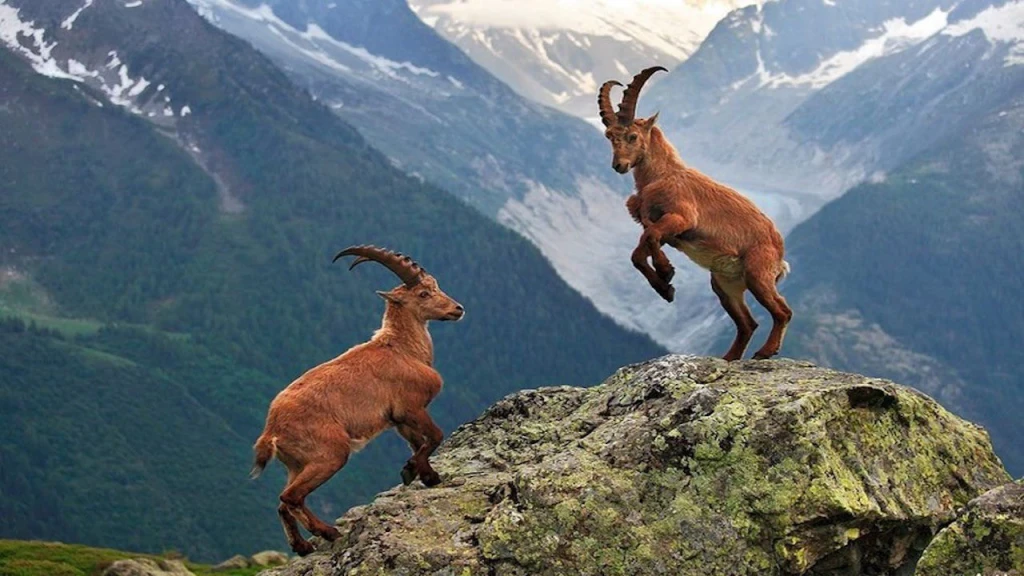
- Mountain Goat: Frequently encountered in high-altitude, rocky areas (Babadağ and the Taurus foothills).
- Wild Boar: Lives in pine forests and scrub areas; usually active at night, so they are rarely seen.
- Small Mammals: Species such as fox, jackal, marten, otter, squirrel, and hedgehog are common.
Birds (Especially Raptors and High Altitude Birds)
- Birds of Prey: Eagles, hawks, and golden eagles can be seen soaring over the high cliffs.
- Peregrine Falcon (Falco peregrinus): A fast and rare raptor that nests on cliffs.
- Owls and Songbirds: The diversity of birds significantly increases during spring and autumn due to migratory birds.
Reptiles and Marine Life
- Turtles, Lizards, and Snakes: Various species of reptiles can be seen in rocky and bushy areas. Snakes are usually harmless and shy away from humans, but it's important to be cautious.
- Caretta Caretta Sea Turtles: The beaches of Patara and Çıralı (Olympos) are among the most important nesting areas for this endangered species. They can be monitored in coastal areas close to the hiking route.
Important Note: When hiking on the Lycia Way, it is crucial to leave plants and animals in their natural habitats, not to harm nature, and to adhere to conservation rules.
Our partners