English
 Türkçe
 Русский
 Español
 Deutsch
 한국어
한국어
 中文
中文
 Български
 Ελληνικά
 Italiano
 العربية
What kinds of food and drink recipes have survived from the Lycian period to the present day?

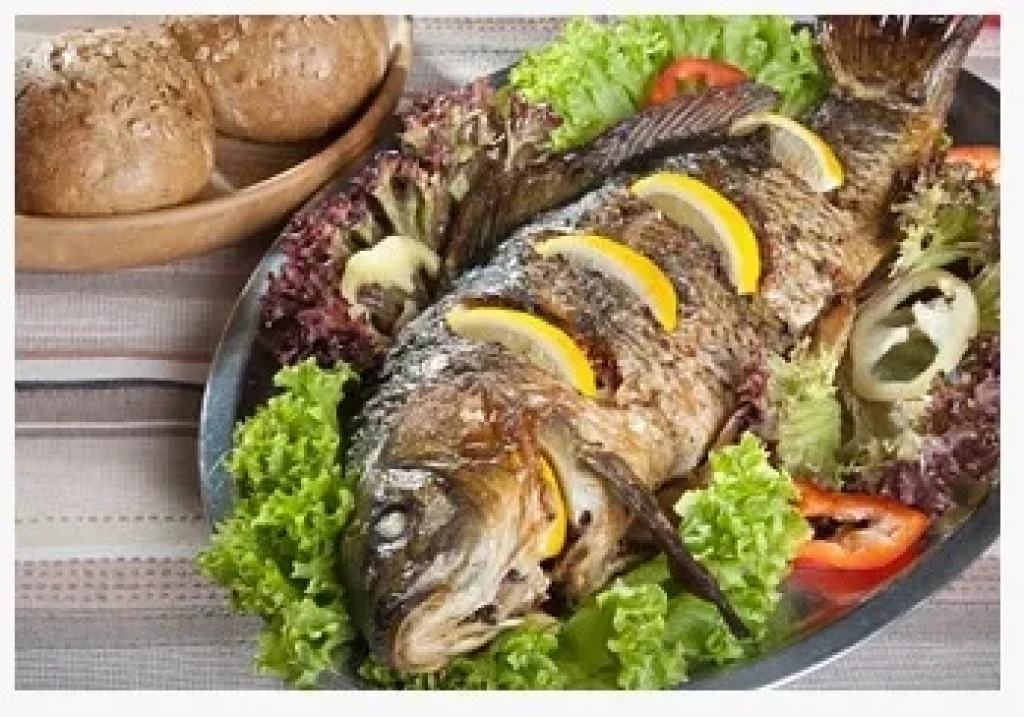
What types of food and drink recipes have survived from the Lycian period?
Unfortunately, there are very few definite, detailed, and standardized recipes from the ancient Lycian cuisine that have survived to this day. The reason for this is that recipes were not recorded in written form or with standardized measurements in the way we understand today.
However, thanks to excavation studies, inscriptions, and written sources from the ancient Greek and Roman neighbors of the period (especially information regarding nutrition and feasts), we have important insights into the dietary habits, key ingredients, and culinary culture of the Lycian people.
Here is the dietary regimen and components of recipes that have survived from the Lycian period:
🍞 1. Basic Foods and Ingredients
Lycian cuisine exhibits characteristics of a typical Mediterranean cuisine and is fundamentally based on three main elements:
- Wheat (Grains), Olive Oil, and Wine.
- Grains Wheat (especially red wheat), Barley, Pea, Lentil.
- Bread: Wheat and barley were heavily used in the daily preparation of leavened and unleavened bread. A type of bread called mãza made from barley was prevalent.
- Oils: Olive oil was generally preferred as a cooking oil and sauce component in almost every dish.
- Meat and Fish Beef, sheep, goat, and pork; fish (fresh, dried, canned) and seafood. Meats were typically cooked with generous spices. Fish and seafood were an important protein source in coastal settlements.
- Vegetables & Legumes: Cabbage, spinach, chard, mallow, asparagus, leek, beans, peas, lentils. These products were consumed fresh in summer and dried in winter. Some vegetables like artichokes were considered luxury foods.
- Fruits & Nuts: Figs, grapes (dried grapes), apples, pomegranates, medlar, roasted chestnuts, chickpeas.
- Fruits were mainly consumed at the end of meals as desserts. Dried figs were popular as a snack with wine.
- Spices: Dill, basil, oregano, cumin, coriander, mint. They were used to enhance flavors in dishes and to marinate meats.
🍇 2. Beverages and Sauces
Wine (Vinos)
Wine was the most fundamental beverage of the Lycian (and general Ancient Mediterranean) culture.
- Consumption Method: It was usually drunk mixed with water. Drinking wine neat was not very common and could even be considered barbaric.
- Flavoring: Sometimes honey (Balsum) or fruits/spices were added to soften the taste of wine.
Fish Sauce (Garum)
Garum was a condiment widely used in Mediterranean coasts, including Lycia, that resembles modern soy sauce.
- Preparation: It was a delicious and sharp liquid obtained by fermenting fish innards, small fish pieces, and salt for a long time. It was used to give a rich flavor to dishes.
📜 3. Example Methods and Practices (Not Modern Recipes)
Modern archaeologists seeking to revive Lycian cuisine reinterpret the following methods based on findings:
- Sour Bread (Maaza/Barley Pita): This was a nutrient-rich but heavy dough (type of bread) made by mixing fried barley flour with water, which was central to daily meals.
- Fish and Herb Stews: Fresh fish was stewed in small pots with plenty of olive oil, seasonal vegetables (leek, cabbage, etc.), and a lot of spices (oregano, dill). (Cooking pots for stews have been found in the ancient city of Patara.)
- Salty/Pickled Olives: In addition to olive oil, pickled olives were also a common garnish.
In summary: Lycian cuisine was built upon a healthy Mediterranean diet consisting of plenty of grains, olive oil, fresh herbs, seasonal vegetables, and fish/meat. Although no complete recipes have survived, the olive oil-based vegetable dishes, fish stews, and grain-based pitas that are still popular in Fethiye and its surroundings carry cultural traces from that period.
Our partners